
How to Shop Sustainably at Local Farmers' Markets
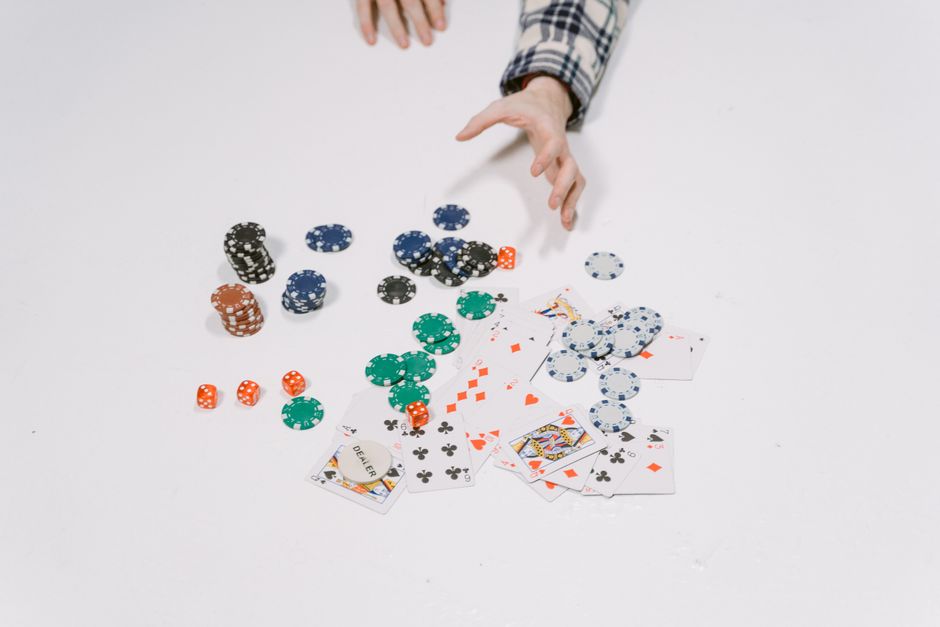
You’ve got a hunch. The reels are hot, the table’s due, and the sportsbook odds look just a little too generous. Stop. Before you tap that deposit button, let’s talk about what separates the players who last from the ones who flame out. iGaming—casinos, slots, betting, poker—isn’t just luck or charity. It’s a complex ecosystem of math, psychology, and timing. I’ve spent years in the trenches, and I’m here to give you the real talk: no fluff, no “secret system” nonsense. Just actionable insight to make your play sharper, whether you’re spinning slots, bluffing a river, or sweating a parlay.
The Slot Machine Paradox: Why “Due” Is a Lie
Let’s kill the most persistent myth in iGaming: the idea that a slot machine is “due” for a payout. It’s not. Modern video slots operate on a Random Number Generator (RNG) that cycles thousands of outcomes per second. Each spin is independent. A machine that hasn’t hit a jackpot in eight hours is no more likely to hit one than a machine that just paid out.
But here’s what does matter: volatility and RTP. RTP (Return to Player) is the theoretical percentage of all wagered money that a slot returns to players over millions of spins. A 96% RTP slot pays back $96 for every $100 bet, on average. Volatility, on the other hand, determines how those payouts are distributed. High-volatility slots (like Bonanza or Money Train 4) offer rare but massive wins. Low-volatility slots (like Starburst or Blood Suckers) pay smaller amounts more frequently.
Your strategy? Match volatility to your bankroll and patience. If you have a $100 bankroll and want a two-hour session, low volatility is your friend. If you’re chasing a 10,000x multiplier with $20, high volatility gives you a shot (but expect long dry spells). And never, ever chase losses—the RNG doesn’t care about your feelings. Some of the clearest guidance on this comes from สล็อต.
Betting Smart: Value, Not Hunches
Sports betting is where ego goes to die. Beating the closing line is the only long-term metric that matters. The closing line is the final odds before an event starts—it reflects the sharpest collective wisdom of the market. If you consistently bet teams at better odds than the closing line, you’re a winner. If you don’t, you’re the sucker.
How do you find value? Start by specializing. Don’t bet every sport. Pick one league—say, the English Premier League or NBA—and learn it inside out. Track injuries, travel schedules, referee tendencies, even weather. Then compare your estimated probability to the implied probability from the odds. For example, if you think a team has a 60% chance to win, and the odds imply 50%, that’s a +EV (positive expected value) bet.
Bankroll management is non-negotiable. Pros bet 1-2% of their bankroll per wager. If you have $1,000, that’s $10 to $20 per bet. This prevents ruin during inevitable losing streaks. And forget parlays—they’re lottery tickets. The house edge compounds with each leg, turning a 52% bet into a 30% one. Stick to straight bets or small teasers.
Poker: Where Psychology Meets Math
Poker is the only iGaming discipline where you can consistently win if you outthink your opponents. But the math is the foundation. Pot odds, implied odds, and equity calculations are your bedrock. If you’re on a flush draw with nine outs on the turn, you have roughly a 19% chance to hit on the river. If the pot is $100 and your opponent bets $20, you’re getting 6-to-1 pot odds, but your card odds are about 4-to-1. That’s a profitable call in the long run—assuming you’ll win extra when you hit (implied odds).
But math alone won’t save you from a tricky opponent. This is where player profiling comes in. Tag every opponent as a rock (tight), calling station (loose-passive), or maniac (loose-aggressive). Adjust your play accordingly. Against a rock, bluff more—they fold too often. Against a calling station, never bluff—just value bet your strong hands.
One more thing: table selection is underrated. If you’re the fifth-best player at a table, you’re the fish. Find tables with weaker players, even if the stakes are lower. Winning $10/hour at a soft $1/$2 table beats losing $20/hour at a tough $2/$5 table.
Bankroll Management: The Unsexy Superpower
Every iGaming disaster story starts with poor bankroll management. You can have an edge in poker, betting, or even slots (via bonus hunting), but without discipline, variance will eat you alive. Here’s a simple framework:
- Casino/slots: Treat your bankroll as entertainment money. Never bet more than 1% of your total bankroll per spin. If you have $500, that’s $5 per spin.
- Sports betting: 1-2% per bet. Use a flat betting system—same amount each time—to avoid emotional swings.
- Poker: 20 buy-ins for cash games, 50 buy-ins for tournaments. If you play $1/$2 no-limit, you need at least $4,000 dedicated to poker.
And separate your iGaming bankroll from your life savings. If you dip into rent money, you’ve already lost.
Bonuses and Promotions: Read the Fine Print
Casinos and sportsbooks lure you with 100% match bonuses, free spins, and risk-free bets. These can be profitable, but only if you understand the terms. Key factors: wagering requirements, game weighting, and maximum bet limits.
For example, a 100% up to $200 bonus with a 40x wagering requirement means you must bet $8,000 (40 x $200) before withdrawing. If slots contribute 100% but table games only 10%, grinding blackjack will take forever. Also, watch for max bet rules—betting more than $5 per spin while clearing a bonus can void your winnings.
My advice: treat bonuses as a separate grind. Only claim them if the expected value is positive after factoring in the house edge and your time. Many “sticky” bonuses (where the bonus itself isn’t withdrawable) are traps. Always check the casino’s reputation on independent forums.
The Bottom Line: Play Sharp, Not Hard
iGaming isn’t about hitting a life-changing jackpot or a 15-team parlay. It’s about making +EV decisions repeatedly, managing your emotions, and respecting the math. The slots are entertainment—enjoy them, but don’t expect to outsmart an RNG. Betting is a market—treat it like investing, not gambling. Poker is a skill game—study, adapt, and exploit. And no matter what, never bet what you can’t afford to lose. The house always has an edge in the long run, but with discipline, you can be the exception. Now go spin, bet, or bluff—but do it with your eyes open.
LEAVE A COMMENT