
How to Shop Sustainably at Local Farmers' Markets
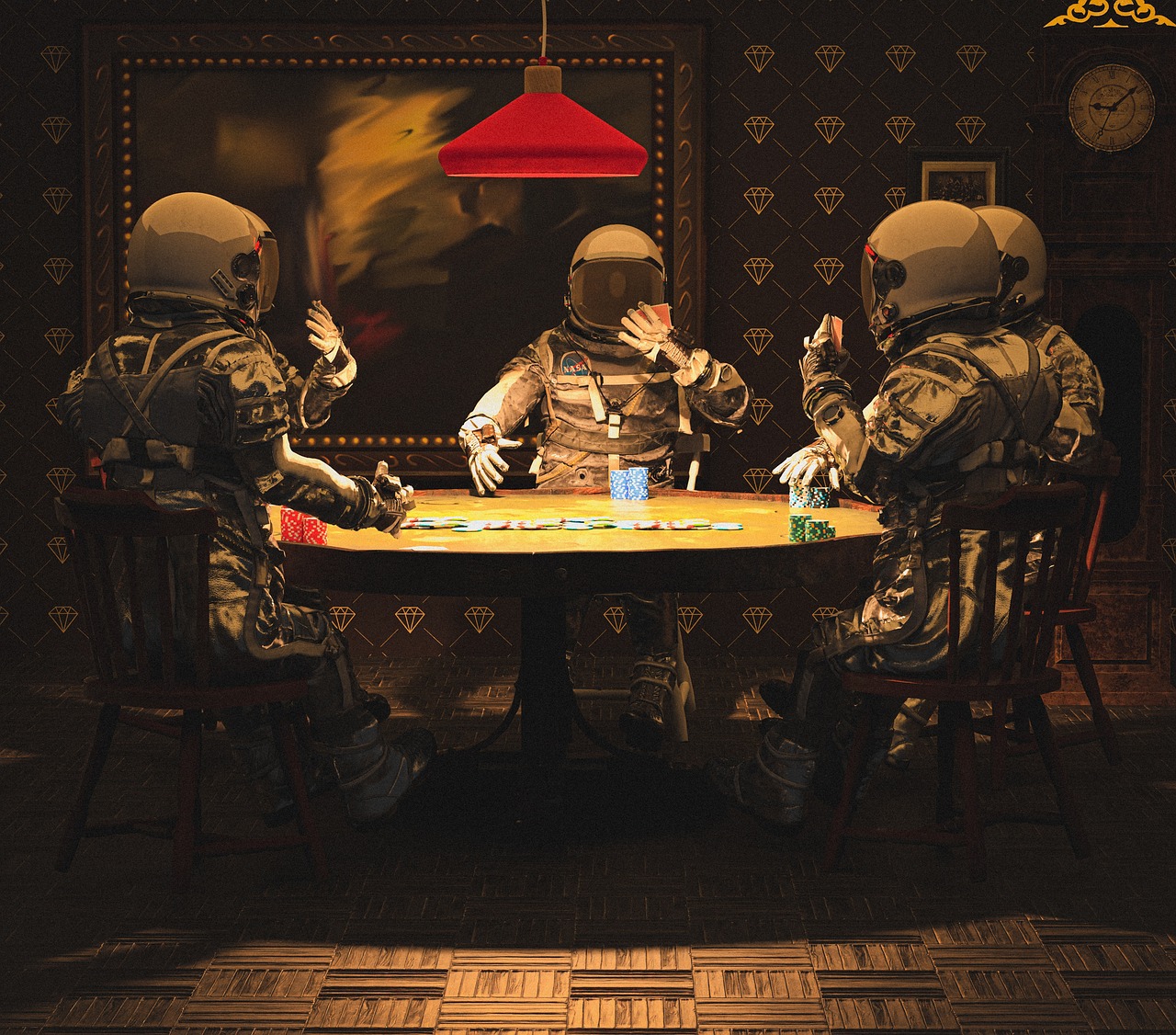
Ask anyone who has ever dropped a coin into a slot machine or gone all-in on a river card, and they will tell you the same thing: the thrill is not really about the money. It is about the decision. That split-second judgment call, the read on an opponent, the gut feeling that the next spin is the one. Whether you are spinning reels in Malta, grinding micro-stakes poker in Macau, or placing a cheeky accumulator on a Sunday, iGaming has become a global pastime that mixes math, psychology, and pure adrenaline in a way few other hobbies can match.
But here is the uncomfortable truth most casual players never fully grasp: the games are not designed for you to win long-term. They are designed to keep you playing. And once you understand that distinction, everything changes. You stop being a tourist and start playing like someone who actually respects the odds.
The Math Behind the Glow
Every game in a casino, whether it is a live dealer table or a digital slot, is built around a number called the house edge. It is the mathematical advantage the operator holds over the player on every bet. In European roulette, that edge sits at 2.7% thanks to the single zero. In American roulette, the double zero pushes it to 5.26%. On a typical slot machine with a 96% return-to-player, the house keeps roughly four cents of every dollar wagered over millions of spins.
That last part matters. RTP is not a promise that you will get 96% of your money back on a Tuesday night. It is a long-run average calculated over millions of spins, often across an entire game's lifetime. You could hit a 5,000x jackpot on your fifth spin and the RTP would still be accurate. You could also burn through 200 spins without a single meaningful return. Both outcomes are perfectly consistent with the math.
Poker, by contrast, is the rare beast where skilled players can actually hold an edge over the house. The casino takes a rake, a small percentage of each pot, but the money on the table is coming from other players, not the operator. That is why professional poker exists and professional slot playing does not. สล็อต goes into the finer points.
Slots: Volatility Is Your Real Opponent
Most players obsess over RTP and ignore volatility, which is arguably the more important number for bankroll management. A low-volatility slot pays out frequently but in smaller amounts, ideal for stretching a session. A high-volatility game like Book of Dead or Money Train 3 can go 300 spins without a win, then suddenly deliver a 10,000x payout that dwarfs everything else.
Here is a practical rule of thumb: match volatility to your bankroll, not your mood.
- Small bankroll (under $100): stick to low-volatility slots with RTP above 96% and bet sizes around 1% of your balance.
- Medium bankroll ($100 to $500): mix in medium-volatility games and set a hard stop-loss before you start.
- Large bankroll: you can chase high-volatility jackpots, but only if you genuinely accept the risk of losing it all.
Also, bonus features matter more than base game payouts in modern slots. Free spins with expanding wilds, cascading reels, and multiplier trails are where the big wins hide. Read the paytable before you spin, not after.
Poker: Where Skill Actually Pays
If slots are a lottery with better graphics, poker is a war of information. The gap between a winning player and a losing one is not luck, it is decision quality over thousands of hands. Three concepts separate the two groups:
- Position: Acting last gives you more information. A mediocre hand in the cutoff is often more profitable than a strong hand in early position.
- Range thinking: Stop asking what your opponent has. Ask what range of hands they could have given their actions, and how your hand performs against that entire range.
- Bankroll management: Even the best players go on 20 buy-in downswings. If you cannot survive variance, you cannot survive poker.
Online poker has also become dramatically tougher since the early 2000s boom. Solvers and training tools have compressed the skill gap at mid-stakes, which means casual players should stick to micro-stakes and focus on fundamentals before moving up. There is no shame in grinding $0.02/$0.05 for six months. It builds the discipline that higher stakes will punish you for lacking.
Sports Betting: The Market Is Smarter Than You
If you think you have found an edge in the Premier League or the NBA, assume you are wrong until proven otherwise. Bookmakers employ quants who model games with more data than any casual fan could hope to match. The closing line, the final odds before kickoff, is one of the most accurate predictors of outcome in all of sports.
That said, edges do exist in less-liquid markets. Women's football, lower-division basketball, and niche sports like handball or darts often have softer lines because the books invest less in pricing them. Sharp bettors hunt for these inefficiencies, but they also bet small, track every wager in a spreadsheet, and treat it like a business, not a weekend hobby.
A few practical tips if you are going to bet on sports:
- Always compare odds across at least three bookmakers before placing a bet.
- Avoid parlay bets unless you genuinely understand the compounding risk. A five-leg accumulator at even odds has a 3% chance of hitting.
- Never chase losses. The next bet is independent of the last one, no matter how much you have lost.
The Psychology Trap Nobody Talks About
The most dangerous variable in any iGaming session is not variance or the house edge. It is you. Near-misses on slots trigger the same dopamine response as actual wins, which is why three cherries with the fourth one just off the payline feels so addictive. Losses disguised as near-wins keep players spinning long after logic says stop.
Set rules before you log in:
- Decide on a session budget and a time limit, and treat both as non-negotiable.
- Never play to recover losses. That is how small setbacks become financial disasters.
- Take breaks every 45 to 60 minutes. Fatigue destroys decision quality, especially in poker.
- Use the deposit limits and self-exclusion tools that licensed operators are legally required to provide. They exist for a reason.
Final Thoughts: Play Like an Adult, Not a Mark
iGaming is not going anywhere, and honestly, that is fine. It is entertainment, and like any form of entertainment, it comes with a price tag. The players who enjoy it most are the ones who never pretend they are going to beat the system. They set limits, they understand volatility, they treat poker as a skill game and slots as a cost of amusement, and they walk away when the fun stops being fun.
The house always wins in the long run. But you do not have to lose in the short one. Know the math, respect the variance, and keep your bankroll and your ego in separate pockets. That is the real edge, and nobody can take it from you.
LEAVE A COMMENT